
Looksmaxing goes beyond simple self-improvement and can lead to harmful practices and unrealistic expectations. With the help of social media algorithms, these ideas spread quickly and influence how people see themselves. This raises important ethical concerns about self-worth and identity.
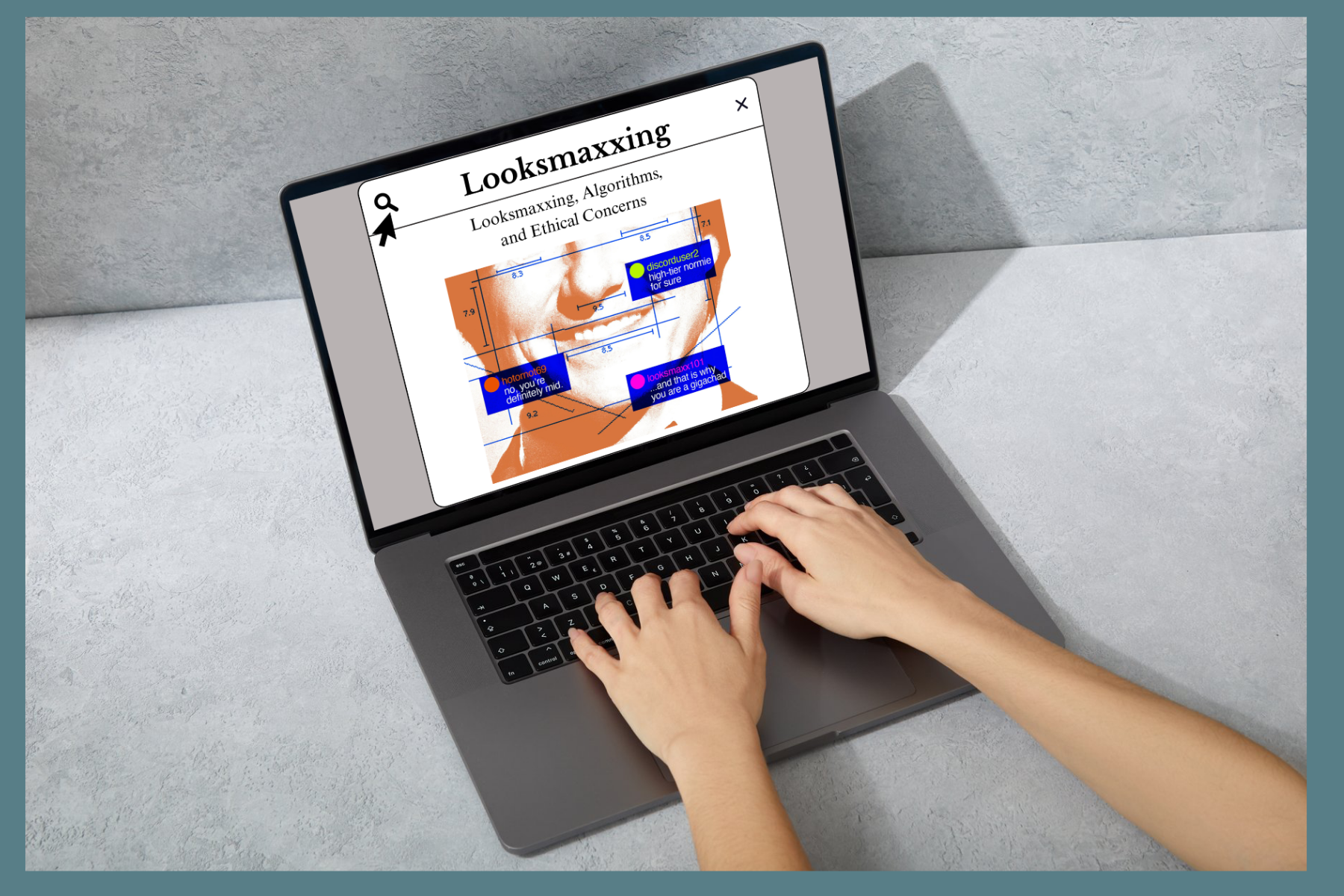
Looksmaxing is a term used to describe the process of improving one’s physical appearance to better fit certain beauty standards1. While it can include basic habits like skincare and grooming, it often moves into more extreme practices. Some individuals pursue cosmetic injections like fillers or Botox, while others experiment with injecting peptides that are promoted online for appearance-related benefits despite limited regulation and unclear long-term effects. There are also harmful trends like “face hammering,” or “bone-smashing,” which falsely claims that repeatedly hitting the face can change bone structure, even though there is no real evidence supporting it, and it can cause serious injury.
Social media plays a big role in spreading this kind of content. Platforms like TikTok and Instagram use algorithms that decide what users see based on what they interact with. These algorithms are designed to predict what people are most likely to engage with, such as liking, watching, or commenting on posts2. Because of this, if someone watches looksmaxing content, they will continue to be shown more of it over time. This creates a cycle where the same types of ideas keep appearing, which can make them feel normal even if they are unrealistic or harmful. Over time, this repeated exposure can shape how people think and even create an unhealthy focus on appearance.
Another part of looksmaxing culture is the PSL (Perfect Score Looks) scale, which ranks people based on their facial features and overall attractiveness. This system uses categories and labels to place people into different levels, making it seem like beauty can be measured in an objective way3. Because of this, many people begin comparing themselves to unrealistic standards, which can lead to insecurity and pressure to change their appearance.
These patterns raise ethical concerns, particularly for younger audiences who are still developing their sense of identity. Content that promotes unregulated practices or reduces self-worth to appearance can shape how individuals understand their value. When amplified through algorithm-driven platforms, these ideas can spread quickly and gain influence, making it difficult to separate personal worth from unrealistic and sometimes harmful standards.
1. Konig, D. J., Sidhu, A. S., & Corpuz, G. S. (2025). Looksmaxxing: Straddling the Inflection Between Self-Enhancement and Self-Harm. Facial Plastic Surgery & Aesthetic Medicine, 00. https://doi.org/10.1177/26893614251409793
2. Narayanan, A. (2023). Understanding Social Media Recommendation Algorithms OPTIMIZING FOR WHAT? ALGORITHMIC AMPLIFICATION AND SOCIETY.
3. Sosnick, C. (2025, December 8). Inside the PSL Scale: The Looksmaxxer Rating System That All the Teenagers Are Referencing. GQ. https://www.gq.com/story/inside-the-psl-scale-the-looksmaxxer-rating-system


 Printer-friendly version